
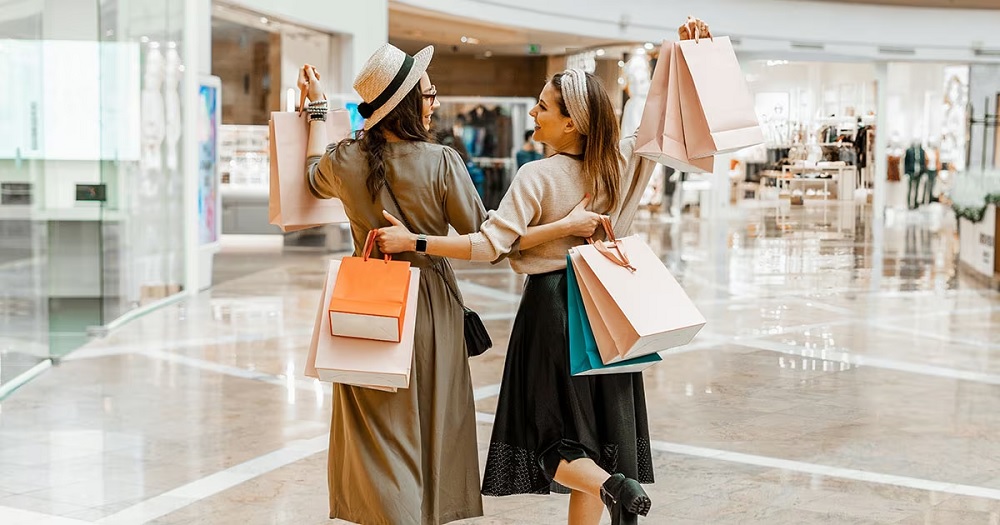
Shopping is an essential part of everyday life, combining necessity, preference, and experience. Whether selecting groceries, fashion, technology, or luxury items, every purchase involves decision-making influenced by trends, pricing, convenience, and personal taste. Understanding how shopping has transformed, what influences consumer choices, and how retailers adapt can provide valuable insights for buyers and businesses alike.
The Changing Landscape of Shopping
Retail has undergone significant shifts, with technological advancements and consumer expectations shaping the way people shop. Both physical stores and digital platforms have adapted to provide convenience, personalization, and efficiency.
-
E-commerce Dominance: Online shopping has redefined retail, offering accessibility, vast selections, and seamless purchasing processes. With same-day deliveries, subscription models, and virtual try-ons, digital platforms continue to refine the buying experience.
-
Omnichannel Shopping: Consumers expect fluid transitions between online and offline experiences. Retailers integrate websites, mobile apps, and physical stores to create a unified approach. Services like “buy online, pick up in-store” (BOPIS) and app-based loyalty programs enhance engagement.
-
Personalized Experiences: Artificial intelligence and data analytics allow retailers to tailor recommendations, promotions, and exclusive deals based on browsing habits and purchase history. Personalized shopping enhances customer satisfaction and encourages repeat purchases.
-
Sustainability in Retail: Shoppers are increasingly aware of environmental impact, leading to higher demand for ethically sourced, eco-friendly, and sustainable products. Brands that emphasize responsible production and transparency gain stronger consumer trust.
Key Factors That Influence Purchasing Decisions
Shopping decisions are driven by more than price and availability. Psychological triggers, brand perception, and external influences shape the way consumers approach buying.
-
Price Sensitivity and Value Perception: While cost remains a deciding factor, shoppers often assess value rather than merely seeking the lowest price. Quality, longevity, and brand reputation contribute to purchasing confidence.
-
Brand Trust and Reputation: A strong brand identity fosters customer loyalty. Positive reviews, ethical business practices, and reliable customer service play a crucial role in influencing buyer decisions.
-
Convenience and Accessibility: Fast shipping, easy return policies, and intuitive store layouts impact shopping preferences. Retailers who streamline the buying process attract customers seeking efficiency.
-
Social Influence and Trends: Recommendations from friends, influencers, and online communities significantly impact consumer choices. Social media platforms serve as discovery tools for products and trends, making brand visibility essential.
The Psychology of Shopping and Consumer Behavior
The act of shopping extends beyond necessity—it is deeply connected to emotions, habits, and subconscious triggers. Retailers use psychological strategies to enhance the appeal of products and shopping environments.
-
Impulse Purchases and Retail Tactics: Strategic product placement, limited-time offers, and attractive displays encourage spontaneous buying. Supermarkets position high-margin items at eye level, while online stores use countdown timers to create urgency.
-
The Role of Sensory Appeal: Ambient lighting, music, and even scent influence shopping behavior. Luxury boutiques create inviting atmospheres, while grocery stores use fresh bakery scents to evoke a sense of warmth and indulgence.
-
Decision Fatigue and Choice Overload: While variety is appealing, an excess of options can lead to indecision. Retailers simplify choices by curating bestsellers, highlighting customer favorites, and offering guided recommendations.
-
The Emotional Connection to Brands: Consumers often associate brands with emotions, memories, and aspirations. Marketing campaigns that evoke nostalgia, exclusivity, or empowerment create stronger bonds with shoppers.
The Future of Shopping: What Lies Ahead?
As technology, consumer expectations, and global trends continue to reshape retail, shopping experiences are expected to become even more seamless, interactive, and tailored.
-
Augmented Reality (AR) and Virtual Shopping: AR tools enable shoppers to visualize products in real-world settings before purchase. Virtual fitting rooms, home décor previews, and interactive catalogs enhance the buying experience.
-
Artificial Intelligence in Retail: AI-driven chatbots, personalized product recommendations, and automated customer service are refining the way shoppers interact with brands. Predictive analytics anticipate purchasing needs, creating more intuitive experiences.
-
Sustainable and Ethical Consumption: Demand for transparency, fair labor practices, and environmentally friendly packaging will continue to grow. Brands that prioritize sustainability will attract socially conscious buyers.
-
Experiential Shopping and Retail Innovation: Physical stores are transforming into immersive spaces where customers can engage with products before purchasing. Interactive displays, product demonstrations, and exclusive in-store events create memorable shopping experiences.
The Enduring Appeal of Shopping
Shopping is more than a transaction—it is an experience shaped by preference, discovery, and engagement. Whether browsing for everyday necessities or indulging in luxury purchases, consumers seek convenience, trust, and inspiration. As retailers refine their approaches and technology enhances accessibility, the future of shopping will continue to blend efficiency with personalization, ensuring that every purchase feels both effortless and fulfilling.
