
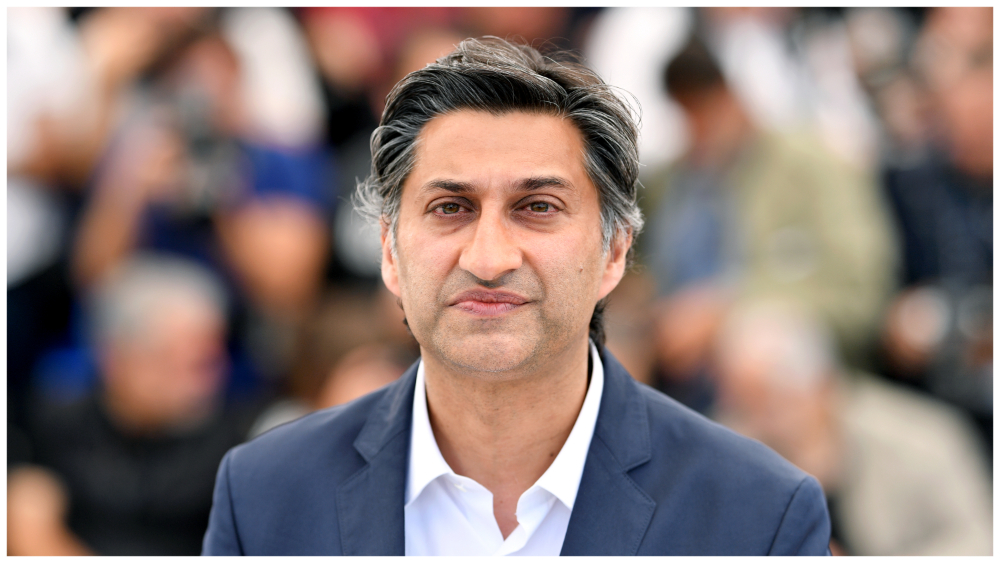
Asif Kapadia has reimagined the role of the documentarian by treating nonfiction storytelling with the same creative seriousness traditionally reserved for narrative cinema. His career reflects a sustained effort to question who holds the lens, what voices are included, and how the assembly of existing media can produce new truths. This authorship, though invisible on screen, is present in every editorial choice, structural decision, and ethical stance his films take.
Kapadia’s approach is rooted in observation and forensic analysis. He does not impose narratives on his subjects but unearths them through careful selection of material. In Senna, for instance, he refused to use direct interviews, relying instead on voiceover reflections and contemporaneous footage. The result was a portrait that allowed audiences to draw their own conclusions, uninterrupted by exposition. This method was not merely aesthetic—it reflected a belief in showing rather than telling, in letting moments speak for themselves.
In Amy, this philosophy extended to the emotional architecture of the film. Kapadia embedded lyrics on screen in rhythm with the music, asking viewers to listen with fresh ears. These choices recontextualized familiar songs as personal testimony, not commercial hits. Even more significantly, the film was built on the trust of those close to Winehouse. Kapadia’s method of interviewing—recorded in darkness, without cameras or contracts—helped him secure deeply personal material that would otherwise have remained private. This commitment to ethical engagement strengthened the film’s credibility and impact.
Kapadia’s films are also distinguished by their use of repetition and pattern. He is drawn to recurring visual motifs: a subject looking directly at the lens, a street corner reappearing across decades, the shift from amateur footage to media spectacle. These visual echoes reinforce the cyclical nature of fame, power, and trauma. In Diego Maradona, the transformation from athlete to icon to isolated figure was not narrated—it was illustrated through juxtaposition and rhythm, underscoring how public personas are manufactured and eroded in real time.
Beyond his work with individual subjects, Kapadia’s interest in structural forces has grown increasingly central. His films have become meditations on the systems that shape individuals: media infrastructures, political environments, and cultural myths. His editorial decisions highlight contradictions rather than resolve them. He avoids neatly packaged arcs and instead presents stories that unfold organically, often leaving viewers with unresolved questions. This ambiguity is not a weakness—it is a reflection of life’s complexity and a rejection of simplistic storytelling.
Another key element of Asif Kapadia’s authorship is his collaborative model. Whether working with Chris King on documentary sequences or composers like Antonio Pinto on score development, Kapadia prioritizes continuity across projects. These collaborations are based on mutual understanding and trust, allowing his creative partners to interpret the material with shared sensibilities. This consistency enables Kapadia to push the boundaries of documentary form while maintaining emotional and structural coherence.
His influence also extends into the broader discourse on nonfiction filmmaking. Kapadia frequently participates in public conversations about the ethics of editing, the responsibilities of the filmmaker, and the changing nature of truth in the digital age. He does not claim objectivity. Rather, he insists on transparency—about what was included, what was left out, and why certain choices were made. This editorial clarity has become a hallmark of his work, setting a standard for future documentarians.
What Asif Kapadia ultimately offers is a new way of thinking about authorship in documentary film. He demonstrates that nonfiction is not just about the facts presented but the structure in which they are arranged. His films are carefully constructed experiences that combine precision with empathy, journalism with artistry, and research with emotion. They reflect a filmmaker who sees storytelling as an act of responsibility and revelation, not just creation.
